In stair construction, ensuring structural integrity and safety is of utmost importance, particularly in commercial and industrial settings where stairs must endure heavy usage and strict regulatory standards. Every component plays a role in achieving a safe and durable staircase, and among these, carrier angles are an essential element that often goes unnoticed.
Carrier angles provide much needed support by securing stairpans and treads to the stringers, helping to evenly distribute loads and maintain the overall stability of the stair system. Their proper installation not only enhances structural performance but also contributes to long-term durability and code compliance. This article will explore the key reasons to incorporate carrier angles into stair construction. We’ll examine their function, the benefits they offer in both performance and safety, and important considerations when selecting the right carrier angles for your commercial or industrial stair project.
What Are Carrier Angles in Stair Construction?
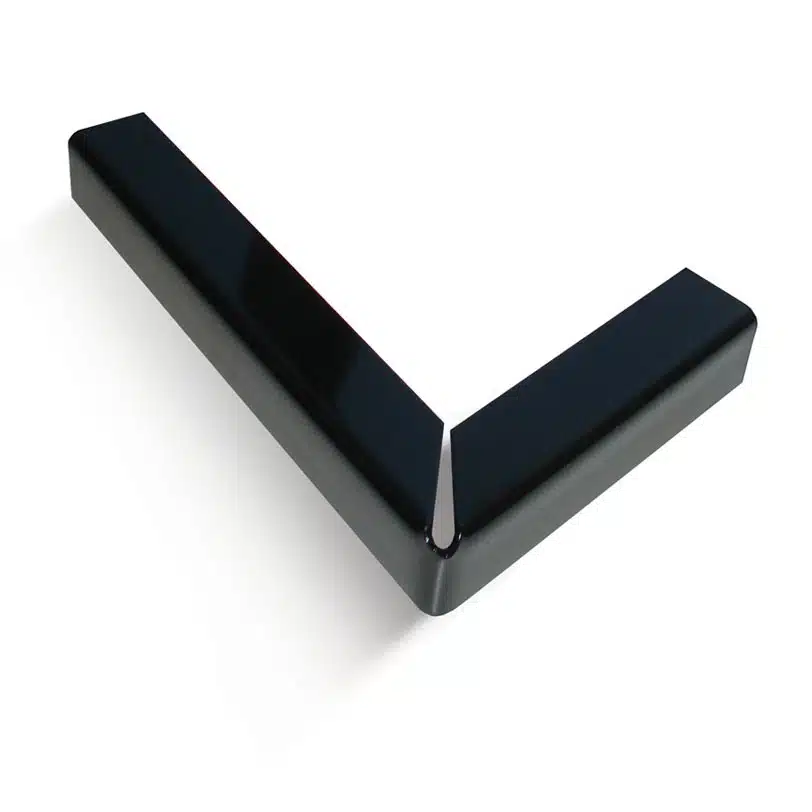
Carrier angles are L-shaped metal brackets specifically designed to provide structural support in stair construction. Typically installed along the inside of stair stringers, these components serve as a foundation for attaching stairpans, treads, and risers, ensuring that each element is securely fixed in place. By creating a stable connection between the stair components and the stringers, carrier angles play a crucial role in distributing loads and enhancing the overall stability of the staircase.
These brackets are commonly fabricated from durable, load-bearing materials such as galvanized steel or aluminum. Galvanized steel offers excellent resistance to corrosion and high structural strength, making it ideal for demanding commercial and industrial environments. Aluminum, while lighter in weight, also provides strong performance and is often chosen for applications where corrosion resistance and ease of handling are priorities.
How Do Carrier Angles Improve Stair Construction?
One of the primary advantages of using carrier angles in stair construction is their ability to evenly distribute weight across the entire stair assembly. By providing continuous support to stairpans, treads, and risers, carrier angles help transfer loads efficiently to the stringers. This balanced load distribution minimizes localized stress on individual components, significantly reducing the risk of structural fatigue and material failure over time.
In addition to their load-bearing function, carrier angles play an integral role during installation. They help you to position stair treads in-square and level so you can maintain proper alignment throughout the staircase building process.
By anchoring stair components in precise positions, this helps prevent shifting or sagging that can occur due to heavy foot traffic, environmental changes, or long-term wear. This alignment is critical not only for structural performance but also for ensuring safety, as misaligned treads or risers can create trip hazards and compromise building code compliance.
The Structural Benefits of Carrier Angles
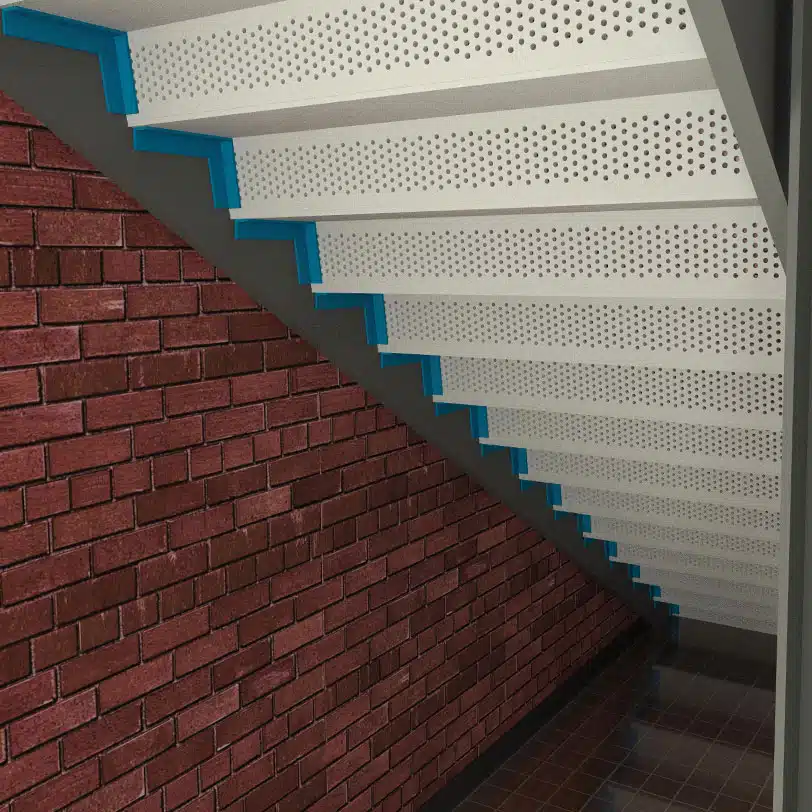
In commercial and industrial environments, stairs are subject to constant and heavy use, making robust structural support a necessity rather than a luxury. Carrier angles provide that critical support by firmly securing stairpans to the stringers, preventing any unwanted movement or shifting under load. This not only enhances the overall durability of the staircase but also ensures it performs reliably over time, even under demanding conditions.
Beyond structural integrity, carrier angles contribute directly to meeting building codes and safety regulations. Most codes require stair components to maintain uniformity, stability, and secure connections, especially in high-traffic or safety-sensitive areas. Carrier angles help achieve these standards by offering a strong, fixed connection between stair elements, reducing the likelihood of loose or misaligned parts that could result in slips, trips, or other safety hazards. By reinforcing both the physical structure and the safety of the stair system, carrier angles serve as a vital component in any code-compliant stair design, enhancing user safety while supporting long-term performance.
Why Carrier Angles Are Essential for Load Distribution
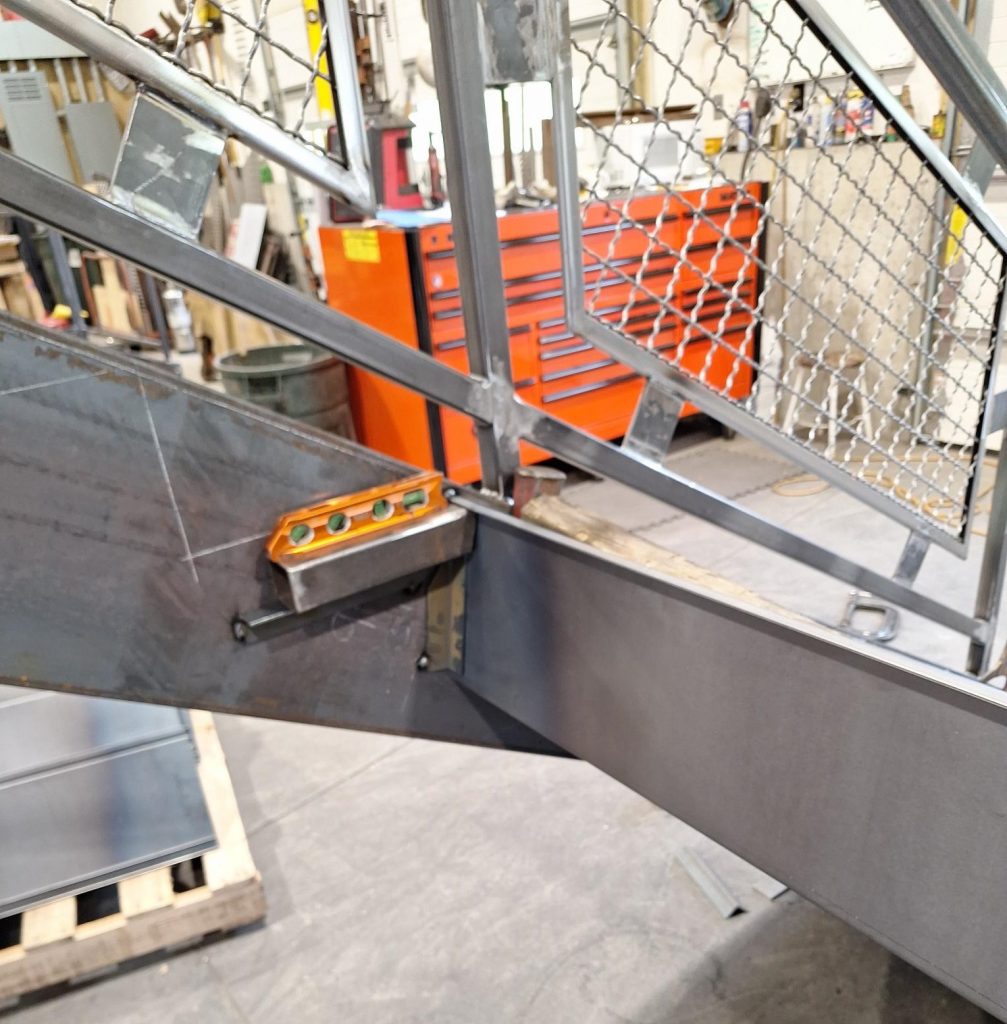
When designing and building stairs, proper load distribution is needed to ensure safety and lasting structural integrity. Stairs must support not only the static weight of the materials but also dynamic loads created by movement, especially in high-traffic areas like commercial buildings or public facilities. Carrier angles play a key role in managing these forces by helping distribute weight more evenly across the stair assembly.
Rather than placing excessive stress on individual stringers or treads, carrier angles reinforce the entire framework, absorbing and redirecting pressure throughout the structure. This not only extends the life of the staircase but also reduces the risk of sagging, squeaking, or failure over time. By stabilizing each connection point, carrier angles ensure the stairs can safely handle both everyday use and heavier-than-usual loads without compromising overall performance.
How to Choose the Right Carrier Angles for Your Stair Project
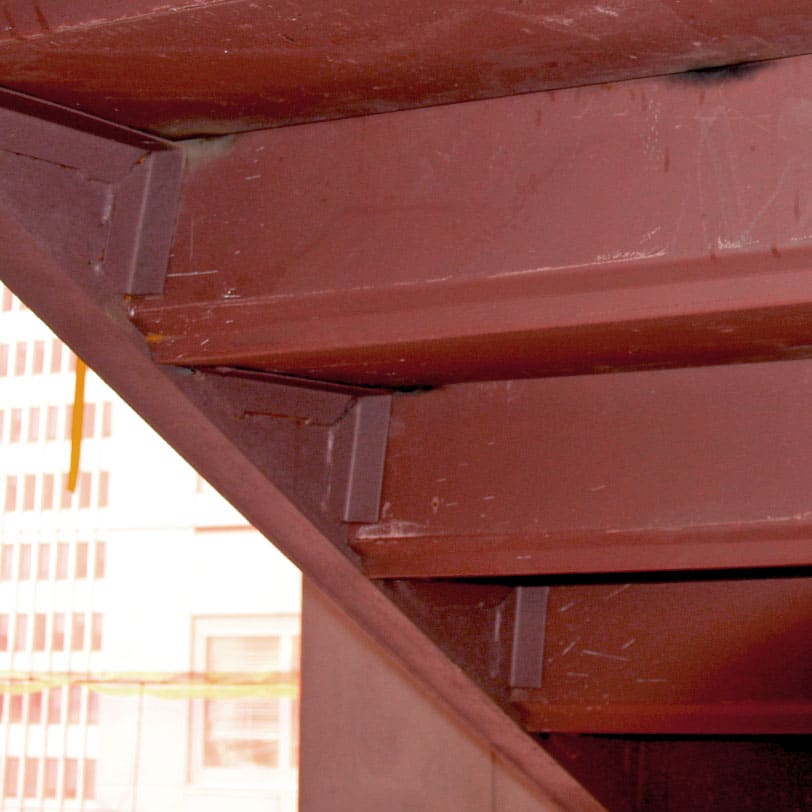
Determining the appropriate carrier angles for a project is an important first step in staircase design. Important factors to consider include load capacity, material type, and environmental conditions. For residential applications, lighter-duty steel angles may be sufficient, while commercial or industrial stairs often require heavier gauges to support higher dynamic loads. In outdoor or corrosive environments such as coastal areas, chemical facilities, or exposed stairwells, galvanized and stainless steel carrier angles offer superior resistance to rust and degradation, significantly extending the life of the staircase.
When sourcing materials, it’s important to work closely with reputable suppliers or structural engineers. Provide them with accurate project specs, including anticipated load requirements, stair dimensions, and environmental exposure. This ensures you get the right angle size, thickness, and material composition for your needs. Don’t overlook mounting hardware and connection details, as these play a crucial role in the overall performance of the stair system. Choosing the right carrier angles from the outset helps avoid costly retrofits or structural issues down the line.
Installation Tips for Carrier Angles in Stair Construction
Proper installation of carrier angles is just as important as selecting the right ones. Start with precise measurements and accurate alignment. Carrier angles must be positioned exactly where they can support the stringers and treads without shifting under load. Even a small misalignment can lead to uneven pressure distribution, causing creaks, sagging, or even structural failure over time.
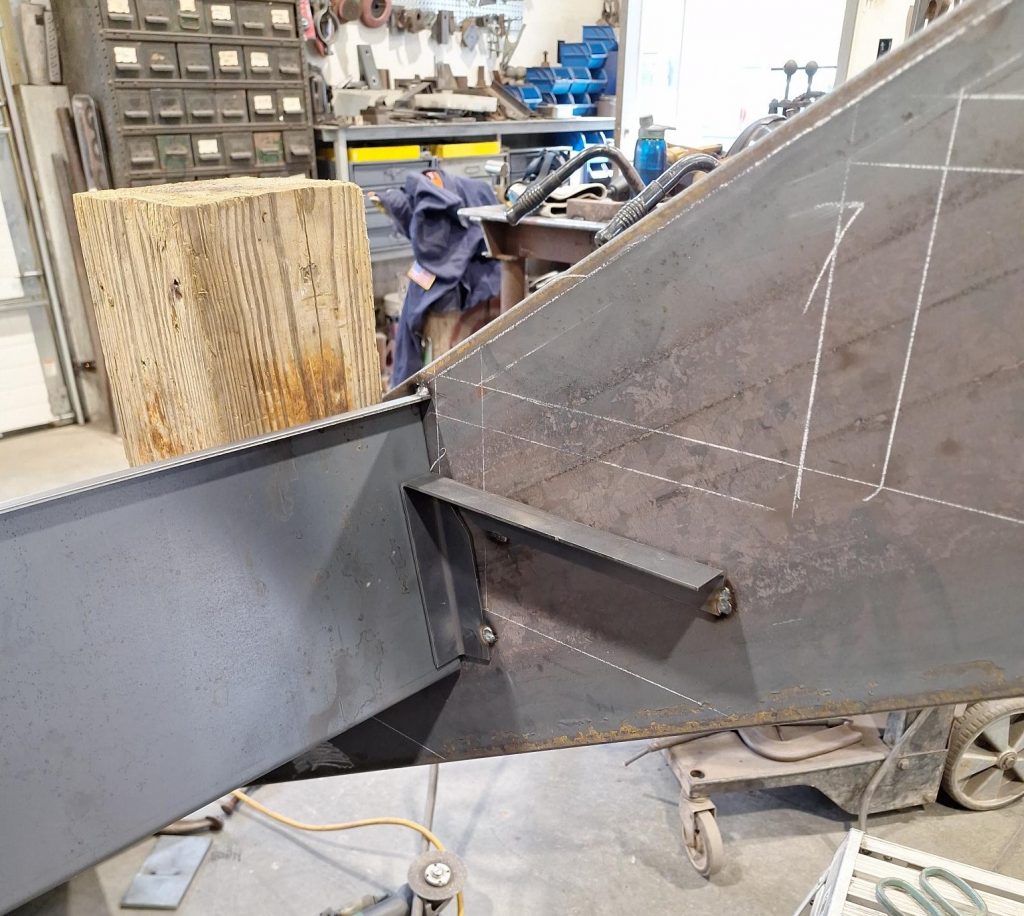
Installation methods typically include welding for permanent, high-strength connections or bolting for applications where disassembly or adjustments may be required. In either case, using the correct fasteners and supports is paramount. High-quality anchors, lag bolts, or expansion bolts should be chosen based on the material of both the stair structure and the carrier angle.
To avoid common issues, always double-check measurements before drilling or welding, and use a level to confirm proper angle orientation. Reinforce areas where added stress is expected, such as landings or turns, and consult with a structural engineer for complex layouts. Investing time in careful installation ensures that carrier angles function as intended, reinforcing the entire stair system and maintaining safety for years to come.
Why Choose Stair Components & Systems for High-Quality Carrier Angles?
When it comes to building safe, durable, and code-compliant stair systems, Stair Components & Systems is a trusted partner for professionals across several major industries. With decades of experience in custom fabrication and design engineering, our company offers high-quality carrier angles and a full range of stair construction components designed to meet the demands of both standard and complex projects. Whether you’re working on a commercial office build or an industrial retrofit, SCS delivers precision-crafted parts built from durable materials to ensure long-term performance.
Beyond carrier angles, we also supply stairpans, safety gratings, roof stairs, and other essential products, allowing contractors and engineers to source complete stair systems from a single, reliable provider. With fast turnaround times, responsive customer service, and a commitment to quality at every stage, we make it easier to build stairways that are not only structurally sound but also safe, efficient, and built to last.
Have a project and in need of guidance?
Let our experts assist you in making the right decision!