Metal stair components in commercial and industrial applications require precise installation to achieve structural reliability, safety, and long-term performance. Small errors introduced during the installation process can accumulate over time, resulting in instability, safety hazards, and costly rework. When installation tolerances are not maintained, inspections may fail and project schedules can be impacted.
Metal stair systems are engineered to withstand continuous foot traffic, significant load demands, and strict regulatory requirements. For builders and contractors, consistent attention to detail directly influences the performance and compliance of the completed stair system. The following article outlines five common installation mistakes involving stairpans, treads, carrier angles, and related components, along with practical strategies on how to avoid them.
Understanding the Basics of Metal Stair Installation
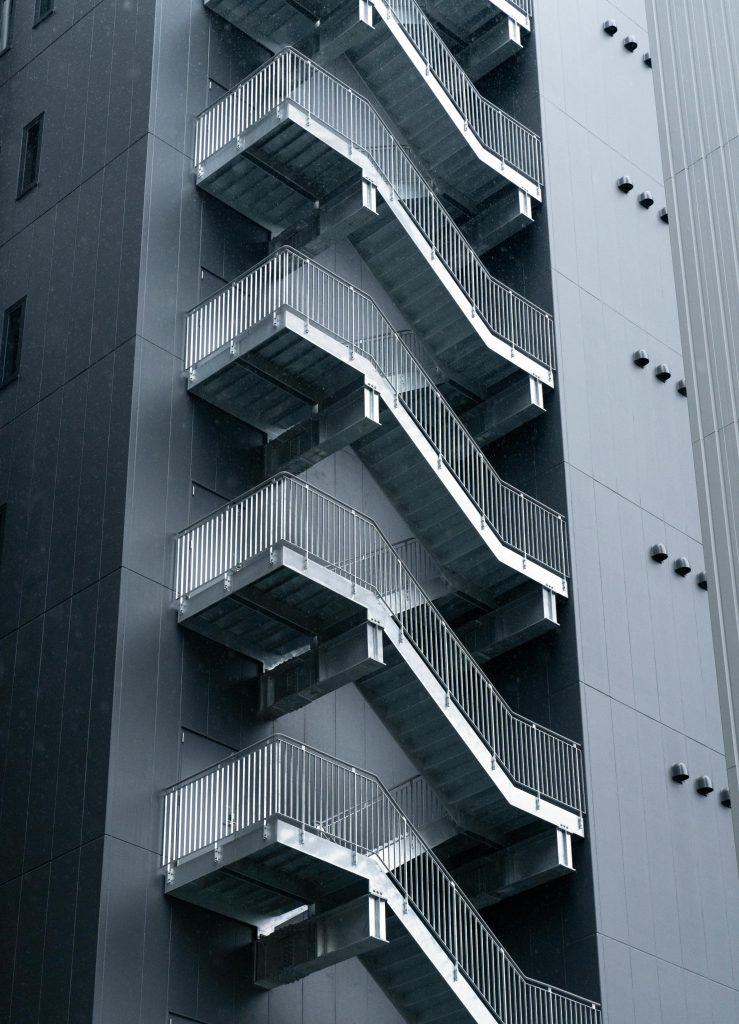
A proper metal stair installation begins with a clear understanding of how each component functions within the overall system. Stairpans, treads, risers, and carrier angles must work together to create a stable and load-bearing structure. Each element relies on precise placement to maintain uniform rise, run, and alignment throughout the entire staircase.
Manufacturer specifications and industry standards exist to ensure these components perform exactly as intended. Accurate measurements and careful layout are essential to avoid cumulative errors during installation. Minor missteps early in the process can potentially lead to uneven treads, long-term instability, and accelerated corrosion.
Mistake #1: Ignoring Accurate Measurements and Leveling
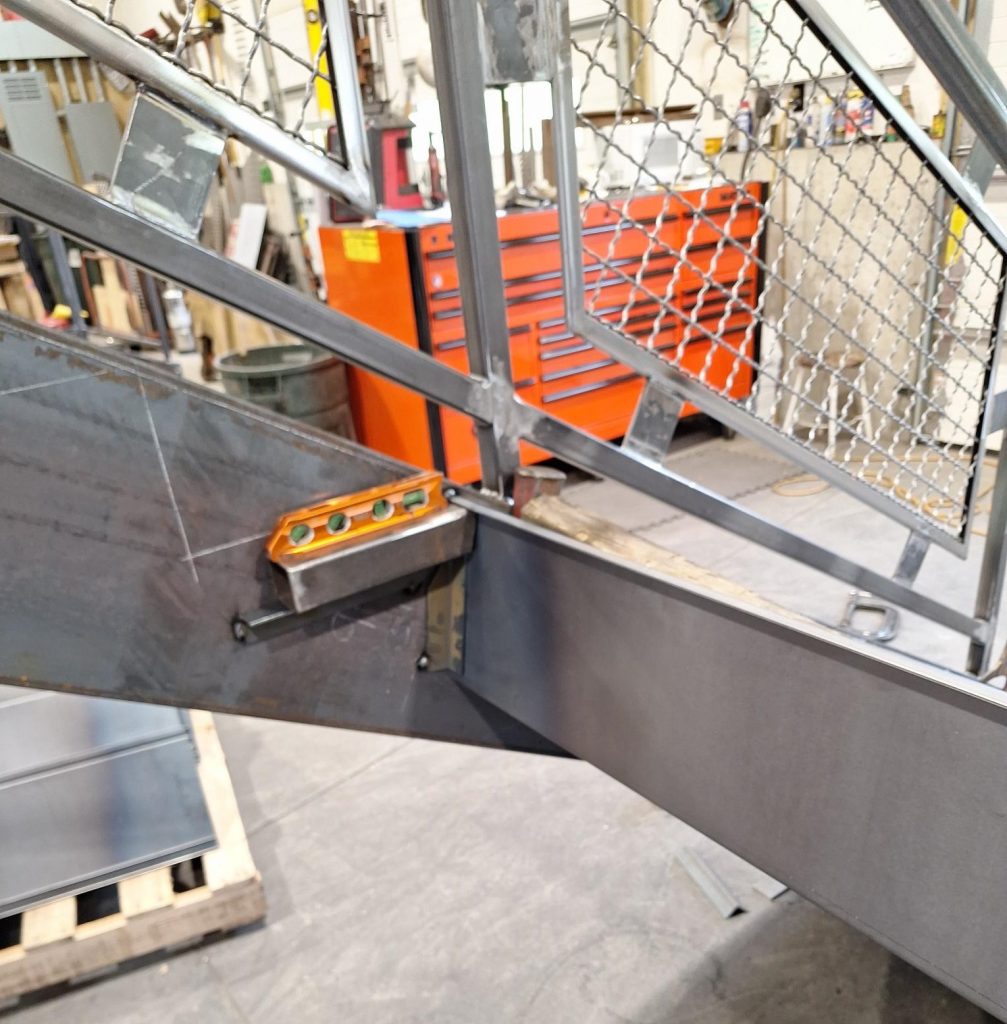
One of the most common mistakes in metal stair installation is failing to take precise measurements. Inaccurate rise and run dimensions can create uneven steps and violate building codes. Poor alignment between stairpans, stringers, and carrier angles can also compromise overall structural integrity.
Installers should verify all measurements multiple times before fastening any components. Using proper leveling tools helps ensure consistency from the first step to the last. Precision at this stage establishes a strong foundation for a safe, compliant, and durable staircase.
Mistake #2: Using the Wrong Fasteners or Welding Techniques
Selecting improper fasteners or using inconsistent welding techniques can significantly weaken the entire stair system. Different materials, such as galvanized steel or aluminum, require specific fastening and welding methods. Failure to match materials correctly can lead to corrosion, cracking, or joint failure over time.
All fasteners and welds should comply with OSHA guidelines and applicable building codes. Surface preparation is also an important step before any welding or fastening begins. Clean, properly prepared surfaces help prevent rust, misalignment, and future detachment from occurring.
Mistake #3: Overlooking the Role of Carrier Angles and Brackets
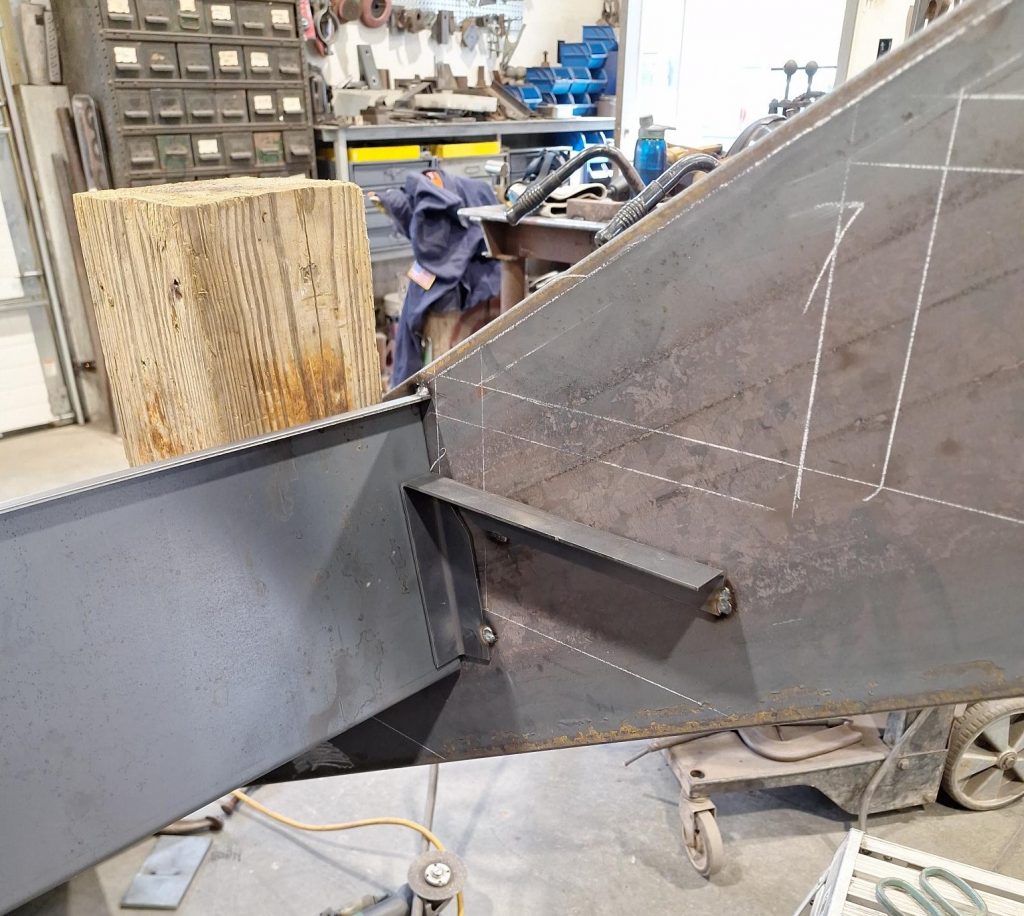
Carrier angles and brackets play a vital role in supporting stairpans and treads. These components transfer loads from the stair surface to the stringers and surrounding structure. Improper spacing or installation can result in deflection and instability under regular use.
Carrier angles must be installed square and securely fastened to maintain uniform load distribution. Even the slightest misalignment can affect the performance of the entire stair system. Proper attention to these components ensures long-term structural integrity and user safety.
Mistake #4: Neglecting Corrosion Protection and Finishing
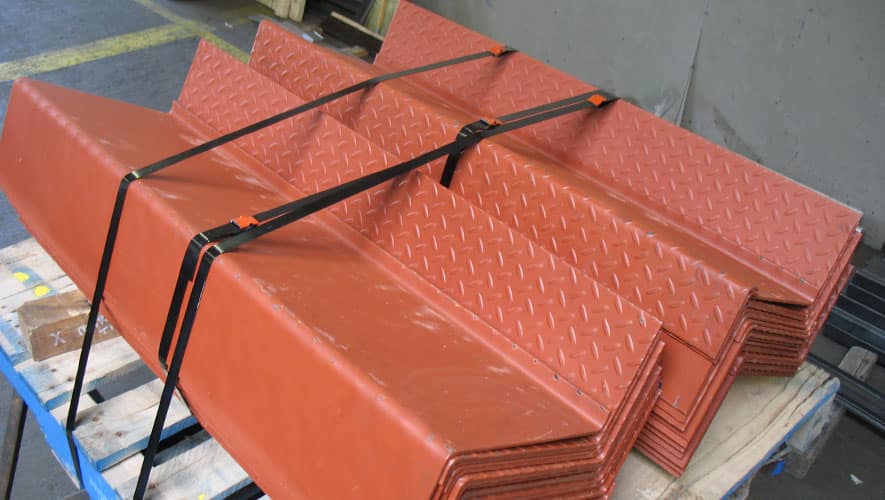
Corrosion is a leading cause of deterioration in metal stair systems, especially in commercial environments. Common oversights include skipping primer coats, choosing the wrong finish, or ignoring environmental exposure. Moisture, chemicals, and temperature changes can quickly degrade unprotected metal surfaces.
Choosing to use galvanized or stainless steel components helps combat corrosion from the start. Sealing exposed welds further protects vulnerable areas from rust. Proper finishing extends the lifespan of the stair system and reduces long-term maintenance costs.
Mistake #5: Disregarding Building Codes and Safety Standards
Ignoring building codes and safety standards can lead to serious legal and financial consequences. Stair geometry, tread spacing, and nosing requirements are strictly regulated for safety reasons. Non-compliant stair systems may fail inspections or require costly reconstruction.
OSHA and the International Building Code provide clear guidelines for stair design and installation. Consulting these standards early in the project helps prevent the occurrence of last-minute changes. Working with experienced fabricators or engineers ensures compliance before final installation begins.
Best Practices for Successful Metal Stair Installation
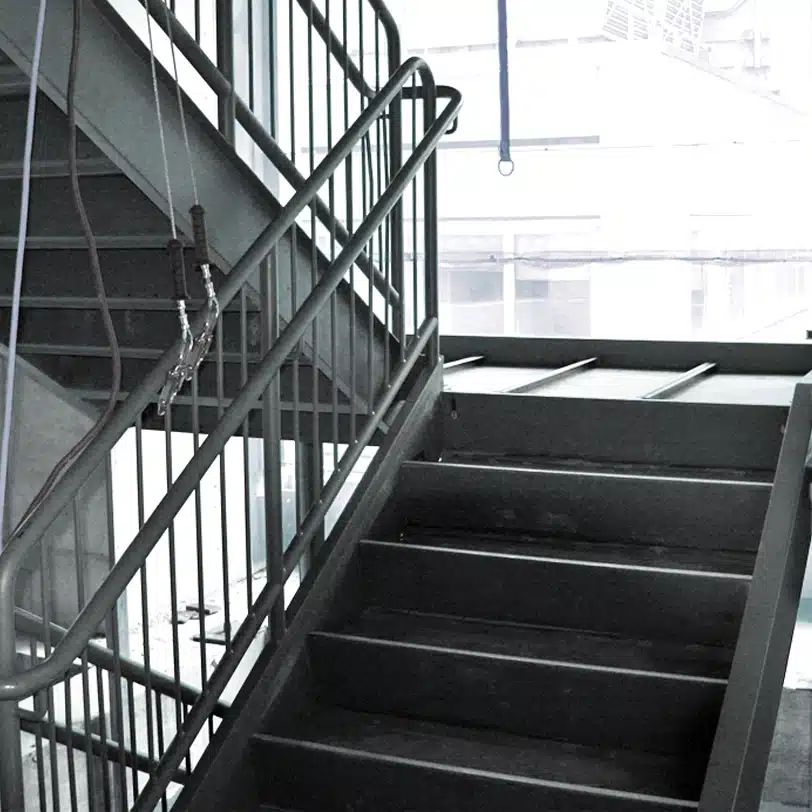
Successful metal stair installation relies on careful planning and clear communication. Designers, fabricators, and installers must work together to ensure components fit as intended. Verifying measurements and alignment at each stage helps prevent compounding errors.
Choosing to use high-quality materials improves durability, longevity, and overall performance of staircase systems. Final inspections should confirm that all components are securely fastened and properly aligned. Partnering with reliable suppliers like Stair Components & Systems supports accuracy and safety from start to finish.
Why Partner with Stair Components & Systems?
Stair Components & Systems specializes in precision-engineered metal stair components designed and built for performance and reliability. Our product line includes stairpans, treads, carrier angles, nosings, brackets, grating, and custom solutions for both commercial and industrial projects. Each component is manufactured to support accurate installation and code compliance.
Our designs help reduce installation time while also maintaining long-term structural integrity. An experienced team understands the demands of complex stair systems and evolving regulations. We encourage you to explore our full product catalog and contact our team for consultation or custom fabrication support on your next project.
Working on planning your next project?
Let our experts help you make informed, confident decisions!