Railing brackets are a fundamental component in commercial stair systems, playing a direct role in safety and structural performance. While often viewed as minor hardware, railing brackets are responsible for securing handrails and maintaining stability in high-traffic environments. These components ensure that handrails remain firmly attached under continuous use and varying load conditions. In commercial and industrial settings, even small failures in connection points can lead to significant safety risks. Proper selection and installation of railing brackets are necessary to meet building codes and performance expectations. This article explores how railing brackets contribute to structural integrity, compliance, and long-term reliability in stair systems.
What Are Railing Brackets and Why Do They Matter?
Railing brackets are the mounting hardware used to secure handrails to walls, posts, or structural elements of a staircase. Their primary function is to transfer loads from the handrail into the supporting structure in a controlled and reliable manner. This load transfer is especially important in commercial applications where handrails must withstand frequent use and applied force. Unlike decorative hardware, railing brackets are engineered components designed to meet strict safety and performance standards. Improper bracket selection or installation can compromise the connection between the handrail and structure. This can lead to handrail failure, creating serious safety hazards and potential liability concerns in commercial buildings.
How Railing Brackets Support Code Compliance and Safety Standards
Building codes establish specific requirements for handrail strength and attachment to ensure user safety. In many cases, handrails must be capable of withstanding loads of at least 200 pounds applied in any direction. Properly rated railing brackets are essential for meeting these requirements under standards such as the International Building Code and OSHA guidelines. Commercial-grade brackets are typically tested to verify their load capacity and performance under stress. Documentation of these ratings is often required during inspections to confirm compliance. Engineers may specify bracket types based on project conditions, and contractors must ensure that selected components meet or exceed all applicable code requirements.
Types of Railing Brackets and Their Commercial Applications
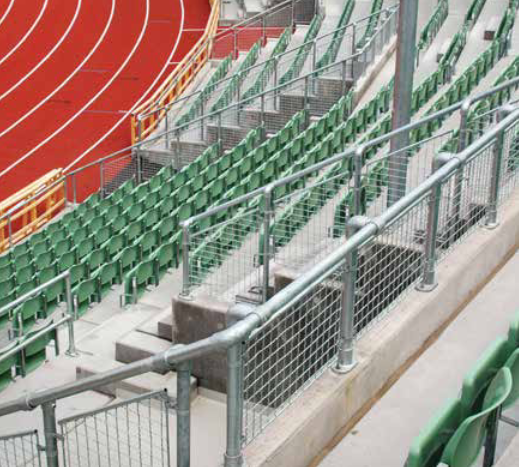
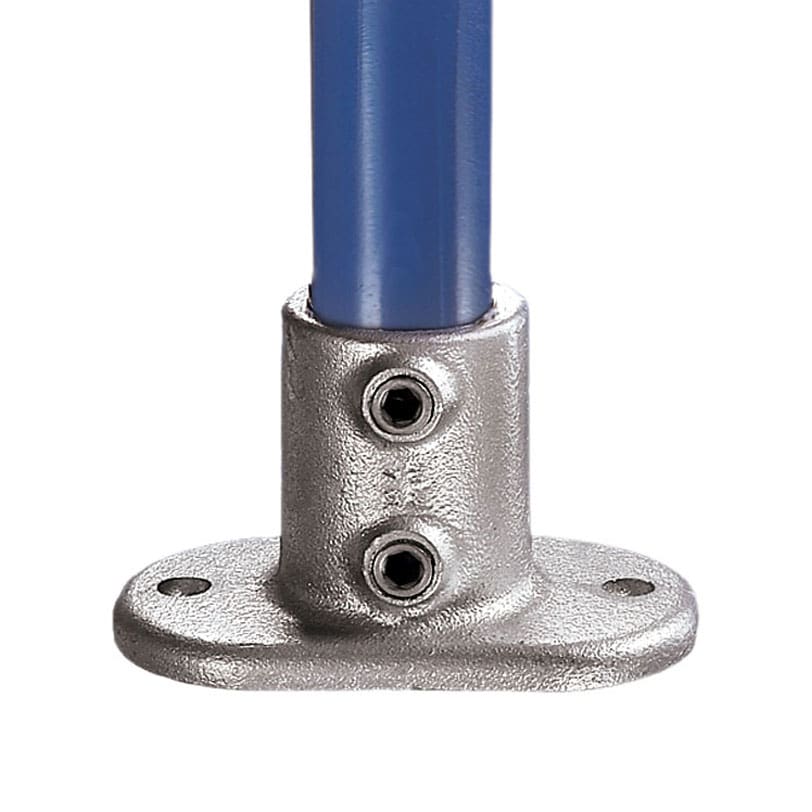
Railing brackets used in commercial stair systems are available in several configurations to suit different applications. Common types include wall-mounted brackets, post-mounted brackets, and surface-mounted options. Fixed brackets are often used in straightforward installations, while adjustable brackets accommodate varying handrail angles and complex stair geometries. Brackets are also designed to support different handrail profiles, including round, rectangular, and custom shapes. Material options such as steel, stainless steel, and aluminum are selected based on environmental exposure, structural requirements, and aesthetic considerations. Stair Components & Systems provides railing brackets designed to integrate with a wide range of commercial stair configurations and materials.
Selecting the Right Railing Brackets for Your Project
Selecting the appropriate railing brackets requires careful evaluation of several project-specific factors. Load requirements, mounting surface conditions, and handrail dimensions all influence bracket selection. Substrates such as concrete, masonry, steel, or wood require different fastening methods to ensure a secure connection. Heavy-duty brackets may be necessary in high-traffic environments such as public buildings, industrial facilities, or exterior stair systems. Matching bracket finishes to handrail materials helps maintain both visual consistency and corrosion resistance. In more complex applications, consulting with fabricators or engineers ensures that bracket specifications align with performance and design requirements.


Installation Best Practices for Secure Handrail Attachment
Proper installation of railing brackets is essential for achieving a secure and compliant handrail system. Accurate layout and consistent spacing ensure that loads are distributed evenly across all attachment points. Selecting the correct fasteners for the substrate and applying proper torque are critical steps in maintaining connection integrity. Common installation errors include insufficient embedment depth, incorrect fastener selection, and failure to account for thermal expansion. In cases involving thin-wall substrates or hollow sections, backing plates or reinforcement may be required to provide adequate support. Final inspection and load verification help confirm that all brackets are securely installed and meet required performance standards.
How Railing Brackets Work with Other Stair System Components
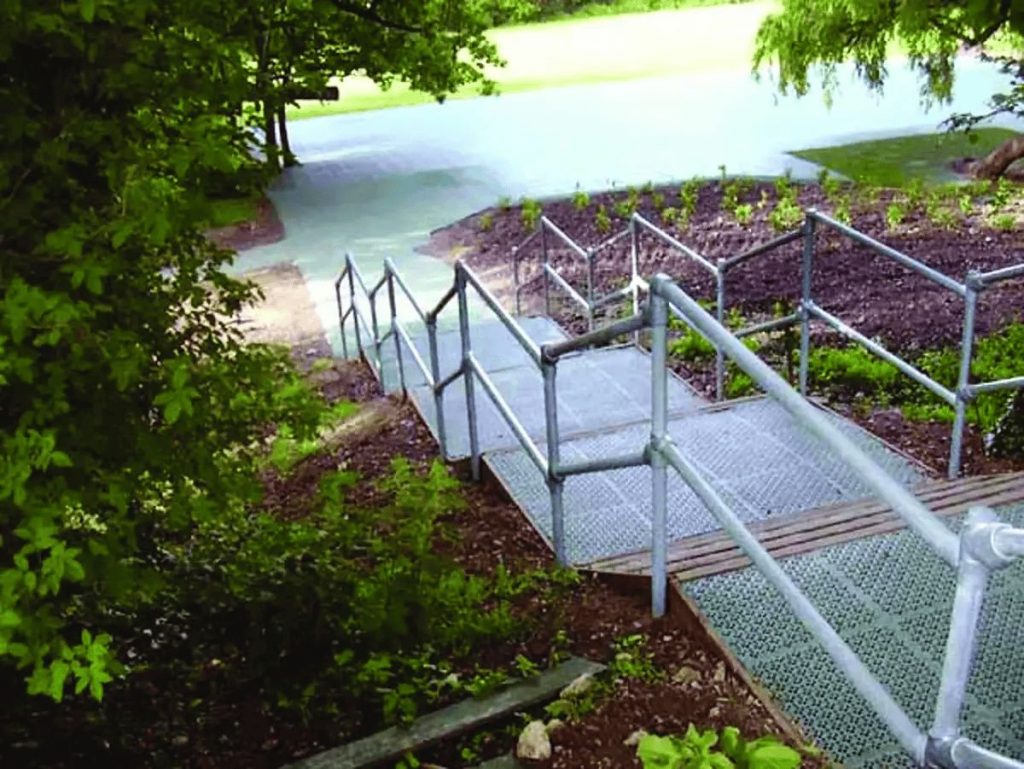
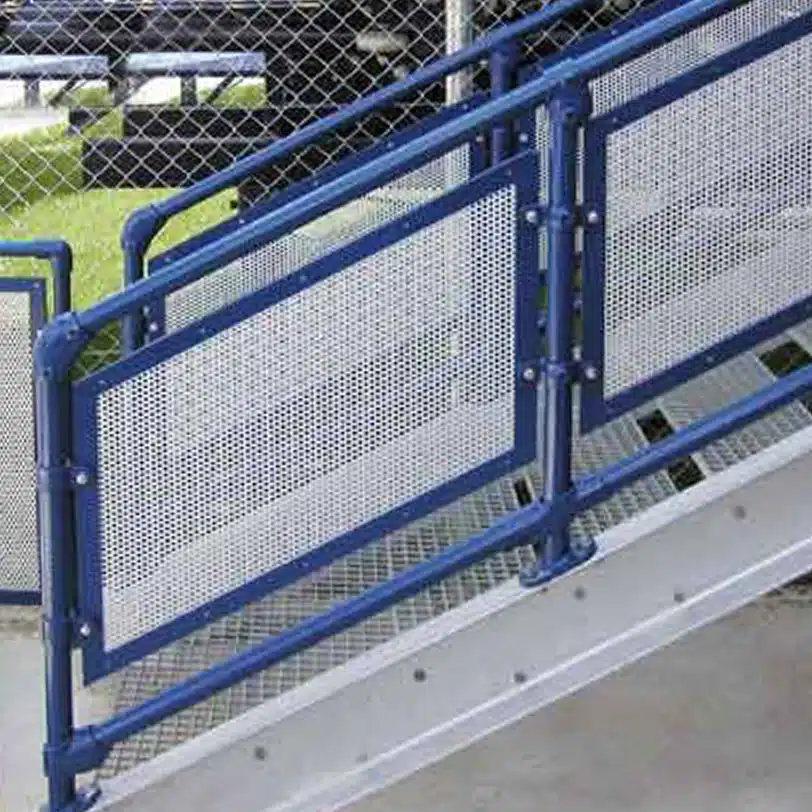
Railing brackets function as part of a larger, integrated stair system that includes multiple structural components. They must align properly with stairpans, carrier angles, treads, and landing pans to ensure a cohesive assembly. Coordination between stair fabricators and handrail installers is necessary to maintain proper spacing and alignment. Bracket placement must account for stair geometry, including stringer locations, wall offsets, and transition points at landings. When guardrails or infill panels are present, bracket positioning must also support overall system compatibility. Stair Components & Systems offers coordinated solutions that ensure all stair components work together to meet structural and code requirements.
Why Choose SC&S for Railing Brackets?
Stair Components & Systems is a trusted provider of railing brackets and complete stair component solutions for commercial applications. Our company partners with Kee Safety to supply Kee Klamp, Kee Lite, and Kee Access systems, offering reliable and code-compliant railing options. In addition to brackets, we also provide stairpans, treads, landing pans, and infill panels for fully integrated stair assemblies. This comprehensive approach allows contractors and designers to source compatible components from a single supplier. Our team offers support with product selection, takeoffs, and design estimates to streamline project planning. We encourage customers to consult with us to ensure their stair systems meet both safety standards and performance expectations.