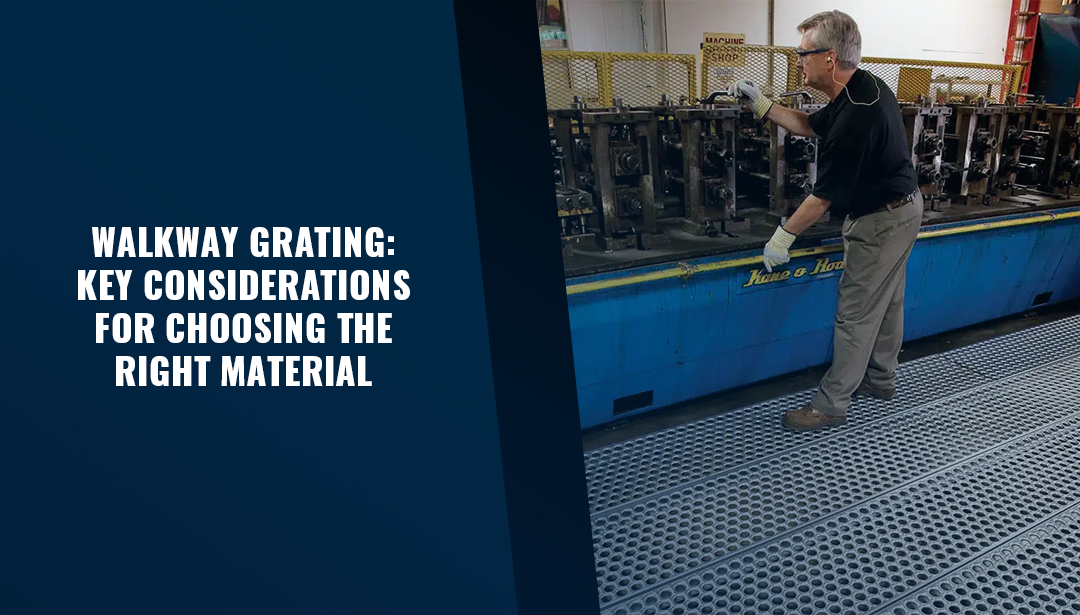
Walkway grating is an essential component in commercial and industrial construction, serving as a reliable and safe walking surface in a wide range of environments. Commonly used in factories, plants, warehouses, and outdoor platforms, grating provides strength, slip resistance, and efficient drainage, making it ideal for high-traffic or demanding conditions. Its open-grid design supports structural integrity while minimizing the buildup of debris or moisture, which can often lead to hazards.
Selecting the right material for walkway grating plays a critical role in ensuring safety, durability, and ease of maintenance. In this blog, we’ll explore the various grating material options, highlight their key benefits, and guide you in choosing the most suitable solution for your specific application.
What is Walkway Grating?
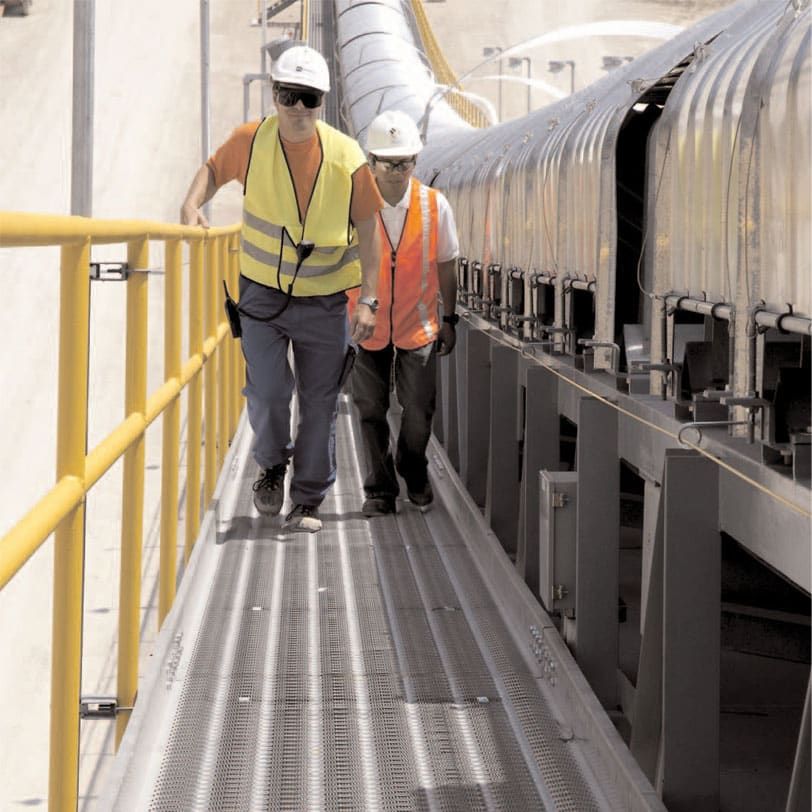
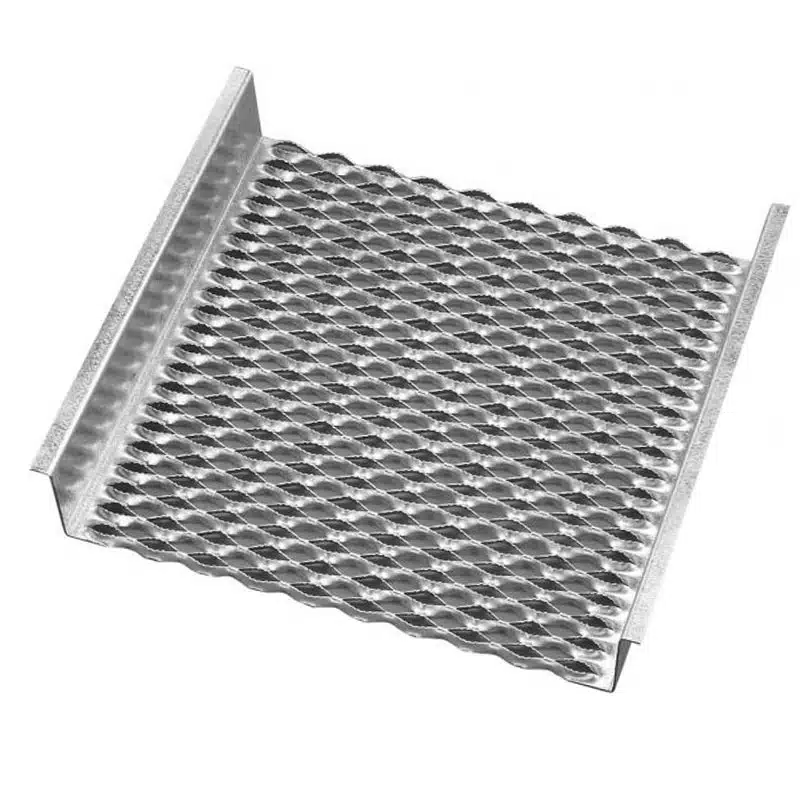
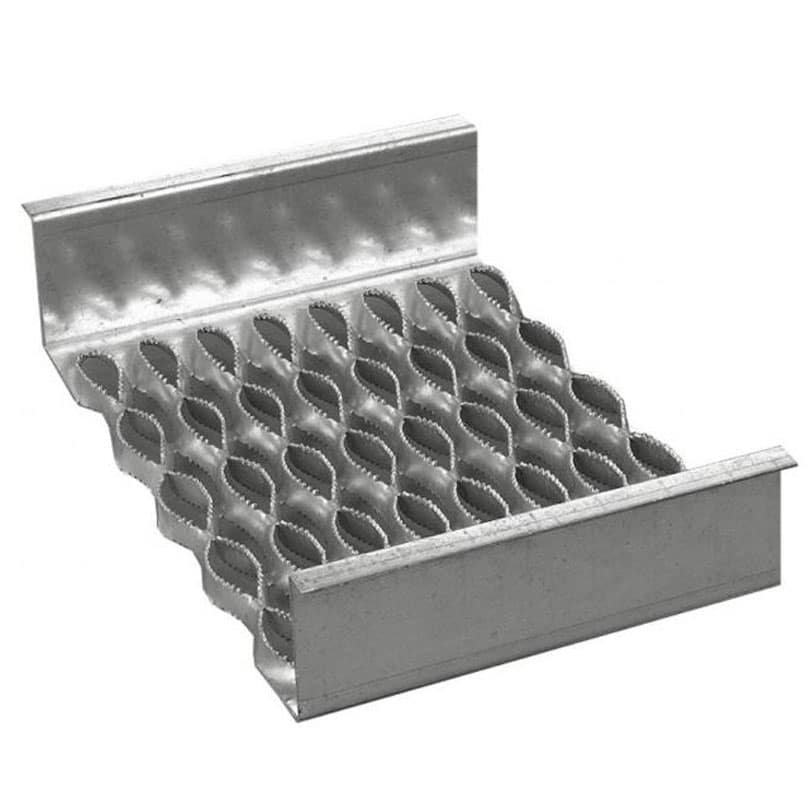
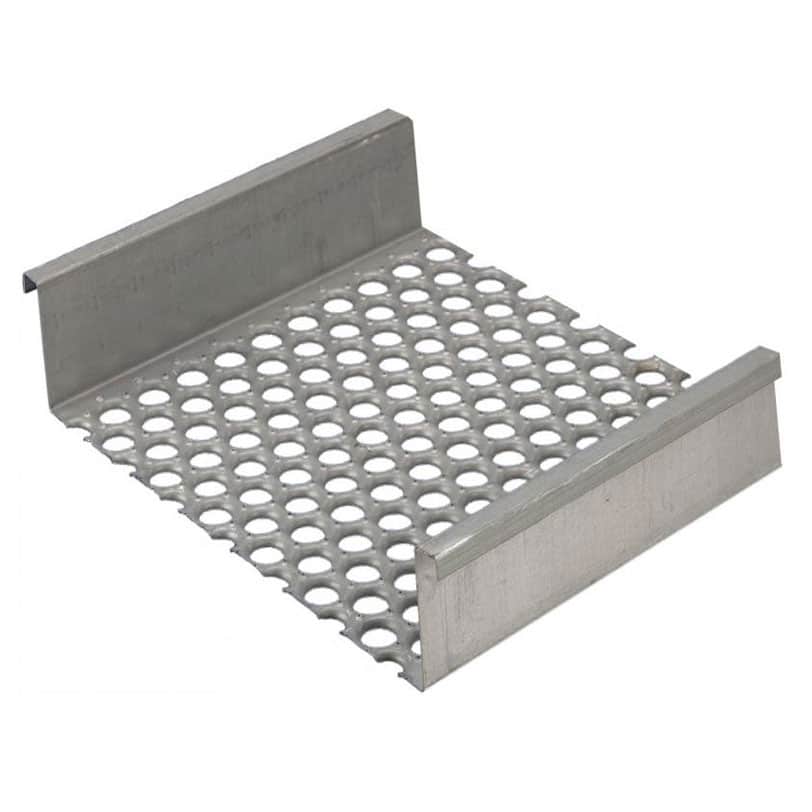
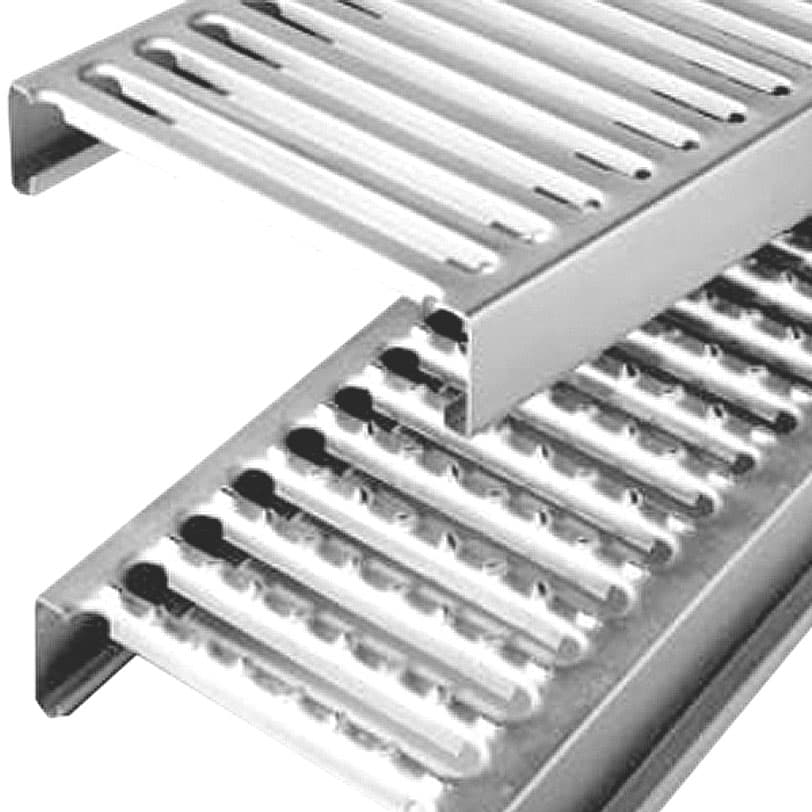
Walkway grating is a type of safety flooring commonly used in commercial, industrial, and rooftop environments to provide secure and durable pedestrian access. Unlike standard grating planks or treads, walkway grating such as Eaton/Cooper B-Line’s design, features an integrated U-shaped structure with the grating at the base and OSHA-required toe boards built into each side. This built-in configuration not only enhances safety by preventing tools, equipment, or debris from falling off the edge but also ensures compliance with OSHA regulations. By eliminating the need to purchase and install separate toe boards, this all-in-one design simplifies installation, reduces labor time, and streamlines the overall construction process.
At Stair Components & systems, our walkway grating lineup includes a diverse range of safety solutions tailored for demanding commercial and industrial applications, including elevated catwalks, rooftop access, and conveyor platforms.
- Grip Strut Walkway combines classic diamond pattern grating with integral side channels (toeboards) that meet OSHA requirements; it offers exceptional slip resistance, efficient drainage of debris and liquids, and strong structural support.
- Heavy-Duty Grip Strut Walkway steps it up with larger diamond openings, thicker steel, and a deeper (5″) channel toeboard, which is ideal for heavier loads and longer spans while maintaining anti-slip and drainage benefits.
- Perf‑O‑Grip Walkway features larger perforated holes surrounded by raised, slip-resistant buttons; the surface also helps reduce foot fatigue, and like other options, includes built-in toeboards for compliance and safety.
- Traction Tread and Grate‑Lock Walkway options offer alternative anti-slip patterns and interlocking capabilities, allowing you to match the right surface texture and assembly style to your project’s specifications.
Each product delivers robust safety through integrated toe boards, multi-directional slip resistance, and open-grid designs that facilitate drainage and minimize maintenance, making them a smart, compliant choice for reliable pedestrian access.
Common Applications of Walkway Grating
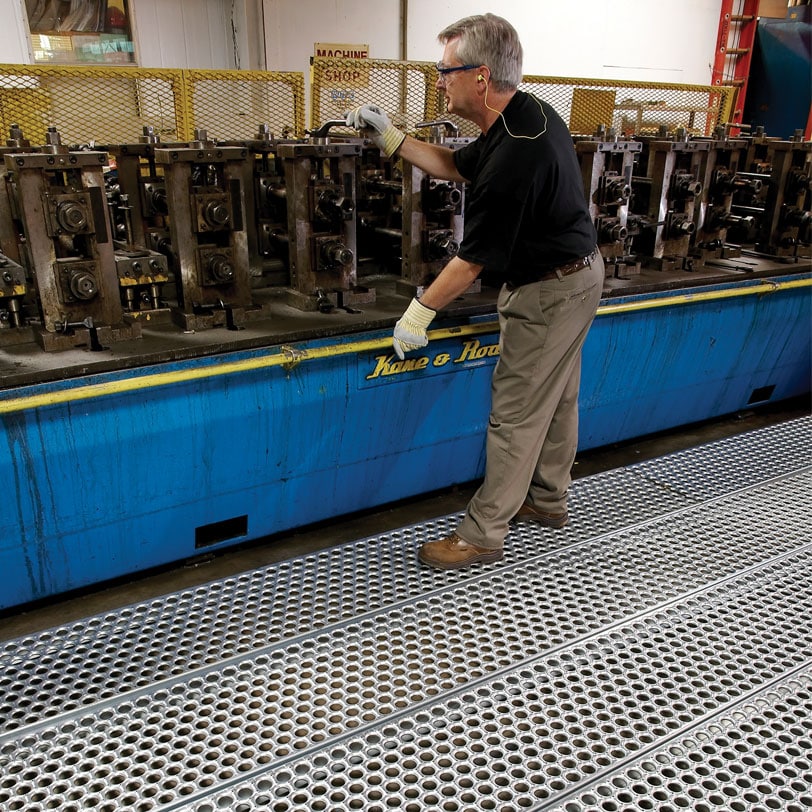
Because of these advantages, walkway grating is commonly used across several key industries. These include oil and gas refineries, mining operations, pulp and paper mills, food and beverage processing facilities, wastewater treatment plants, and chemical manufacturing sites. In each of these applications, grating plays an important role in improving safety, supporting compliance with workplace regulations, and providing dependable access in high-risk areas.
Walkway grating is a reliable and versatile safety solution used in a wide range of challenging environments. It is specifically designed to handle heavy foot traffic, resist corrosion, and provide excellent slip resistance. These features make it ideal for areas exposed to water, oil, grease, chemicals, and other hazardous substances. In outdoor settings, such as rooftops, stairways, and elevated walkways, grating allows for effective drainage and long-term durability, even under harsh weather conditions. Indoors, it supports safe movement through busy industrial spaces by offering a stable, non-slip walking surface.
Types of Walkway Grating Materials
Walkway grating is available in several common materials, each selected based on the specific needs of the environment:
- Steel is one of the most widely used options due to its exceptional strength and load-bearing capacity, making it ideal for heavy-duty industrial applications and high-traffic areas. Steel encompasses a range of materials including HRP&O (Hot Rolled Picked and Oiled Carbon Steel), Galvanized Steel, and Stainless Steel, with galvanized being the most commonly used option.
- Aluminum is favored for its lightweight nature and corrosion resistance, making it suitable for rooftops, catwalks, and areas where weight reduction is important.
- Fiberglass is non-conductive, highly resistant to chemicals, and ideal for corrosive environments such as chemical plants or coastal installations. Stainless steel combines strength with superior corrosion resistance, making it a preferred choice in food processing, pharmaceutical, and marine settings where hygiene and longevity are essential.
These materials vary in terms of cost, with steel generally being the most economical, while stainless steel and fiberglass tend to be more expensive due to their specialized properties. In terms of maintenance, fiberglass and stainless steel require the least upkeep, while carbon steel, that has not been powder coated or painted with rust inhibitors, may need regular treatment to prevent rust. Galvanized steel is the cost effective, low maintenance option that works best for most applications.
Factors to Consider When Choosing Walkway Grating
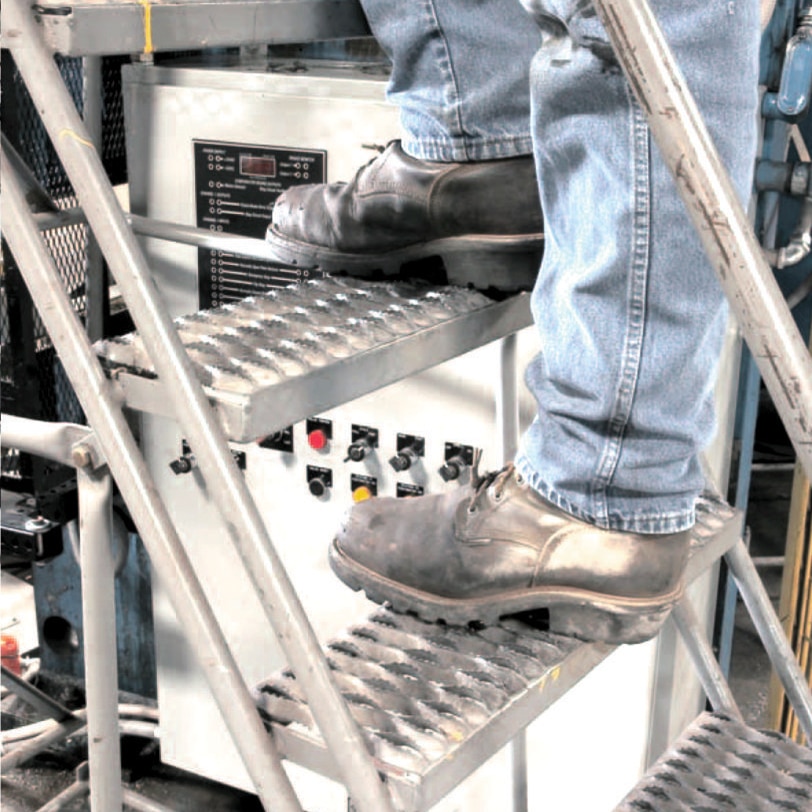
When selecting the right walkway grating, several key factors must be considered to ensure optimal performance, safety, and longevity. Traffic load is one of the most important considerations. Grating in areas with heavy foot traffic or equipment movement must have sufficient strength and load-bearing capacity, making materials like steel ideal for such applications. Environmental exposure is another major factor; areas prone to moisture, saltwater, or corrosive chemicals require materials that can withstand these conditions, such as fiberglass for chemical resistance or stainless steel for long-term durability in corrosive environments.
Safety is also a top priority! Grating should offer adequate slip resistance, especially in areas exposed to water, oil, or grease. The type of environment ultimately determines the most suitable material: for instance, fiberglass is preferred in corrosive or non-conductive settings, while aluminum might be chosen for lightweight needs in rooftop or architectural applications. By carefully evaluating these factors, facility managers can select walkway grating that meets both functional and safety requirements.
How Walkway Grating is Installed
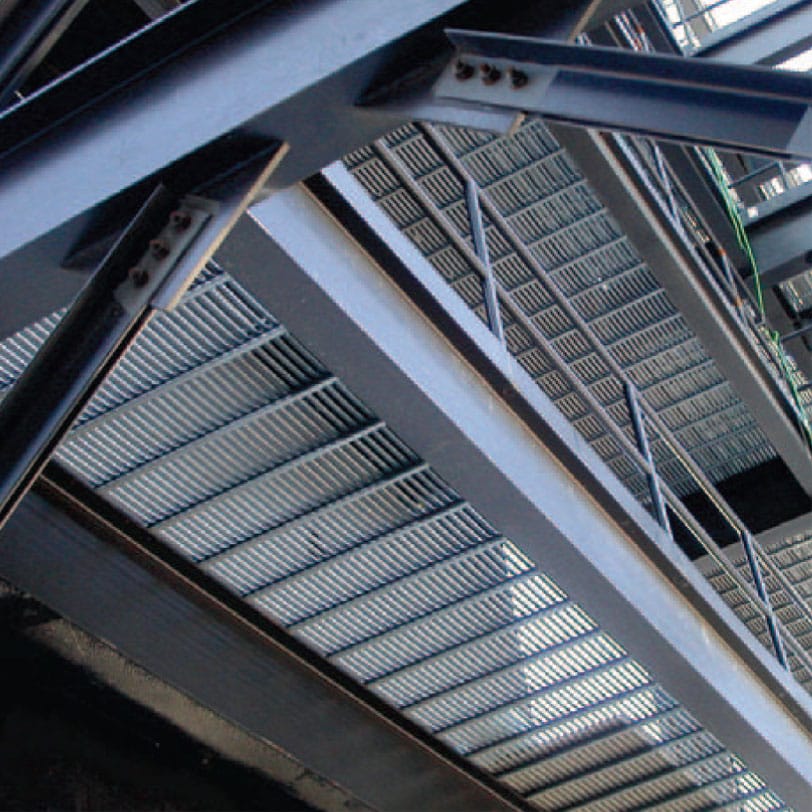
The installation of walkway grating involves several essential steps to ensure a safe, durable, and properly aligned surface. The process begins with site preparation, which includes cleaning the area and ensuring the supporting surface is level, stable, and free of debris. Once the site is ready, accurate measurements are taken to determine the correct size and placement of the grating panels. The panels are then cut or selected to fit the structure’s dimensions precisely.
Next, the grating is positioned and secured using one of several common methods: welding for a permanent and rigid attachment, bolting for easy removal and maintenance, or using specially designed clips that allow for quick installation without damaging the structure. During this stage, it’s crucial to ensure that all panels are securely fastened and properly aligned to maintain even load distribution and prevent trip hazards or structural issues. A final inspection is typically performed to confirm that the grating is stable, level, and compliant with safety standards.
Maintenance and Durability of Walkway Grating
Proper maintenance is key to ensuring walkway grating remains safe, functional, and long-lasting. Regular cleaning, ideally on a monthly or as-needed basis depending on traffic and exposure, is essential to remove debris, dirt, oil, or chemical buildup that can reduce slip resistance or accelerate wear. For steel grating, especially in moist or industrial environments, it’s important to remove rust and apply protective coatings or paint to prevent corrosion. Aluminum grating should be cleaned with non-abrasive tools and mild detergents to avoid surface damage, while fiberglass grating can be washed with water and mild cleaners, as it is highly resistant to most chemicals and corrosion.
Steel performs best in high-load areas but requires the most upkeep to prevent rust, whereas aluminum resists corrosion but is less durable under extreme weight. Fiberglass excels in corrosive or wet environments and requires minimal maintenance. To prolong the life of any grating type, ensure it’s installed correctly, kept clean, and inspected regularly for damage or loosening fasteners. Addressing minor issues early helps maintain safety and extends the grating’s service life.
To summarize, choosing the right walkway grating is essential for ensuring safety, durability, and long-term performance in commercial, industrial, and outdoor environments. From understanding the roles and applications of grating to evaluating material choices, this blog has outlined the key factors that influence material selection. Proper installation and regular upkeep are also critical to maximizing lifespan and safety. When planning your next project, we encourage you to carefully consider these factors to select the most effective solution. For expert guidance and high-quality grating products, contact Stair Components & Systems. We’re here to help you find the ideal walkway grating for your specific needs!
Have a project and in need of guidance?
Let our experts assist you in making the right decision!